
As we celebrate one year of the OptiFish project, we reflect on our journey toward improving sustainability in fisheries operations and enhancing control processes within the industry. This past year has been a dynamic period, with our team focused on developing innovative technologies that will shape the future of fisheries management in Europe.
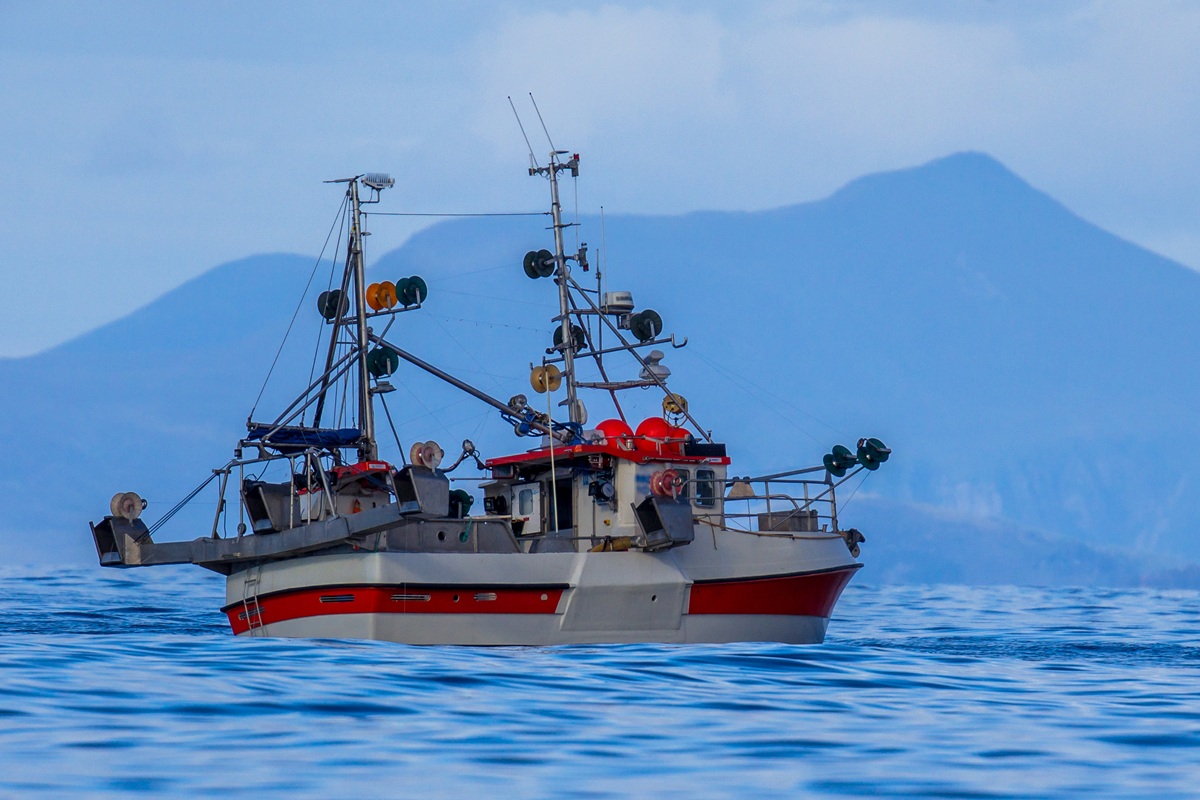
Project goals: Transforming fisheries for a sustainable future
The primary aim of OptiFish is to ensure the sustainability of fisheries by enhancing control mechanisms and boosting trust in fisheries’ products. This vision is supported by AI-driven technologies that enable efficient fisheries management, automated species recognition, and the reduction of illegal fishing activities. With the help of electronic and genetic monitoring, OptiFish seeks to minimise discards and unreported landings and to combat illegal, unreported, and unregulated fishing (IUU) practices.
Our overarching goal is to build a modern, robust fisheries control and enforcement system that is both efficient and trusted by stakeholders. Ensuring stakeholder engagement and acceptance of new technologies is a crucial aspect of this, as their involvement is key to ensuring the successful adoption of these technologies across the industry.
Key work areas: A holistic approach to fisheries monitoring
This past year, our work has centred around several key areas, each of which plays a vital role in the successful implementation of the OptiFish project.
Overview and current state of fisheries monitoring: We began by assessing existing methods, tools, and systems to establish a solid foundation for sustainable fisheries control. Understanding the current landscape has allowed us to pinpoint gaps and opportunities where our technologies can have the greatest impact.
Technological solutions: Our team has been developing innovative hardware and software for electronic monitoring (EM), improving catch-reporting systems, and creating AI algorithms for better species recognition. These advancements will help prevent tampering and ensure more accurate monitoring across the board.
Data collection and validation in pilot studies: We have been conducting pilot studies in five different fishing environments across Europe, gathering critical data on eDNA, electronic monitoring, and species identification to validate the effectiveness of our technologies. This real-world data is invaluable for fine-tuning our systems and ensuring they are scalable and effective.
Data management and system architecture: We have been developing a data processing and integration framework to streamline communication and decision-making tools for authorities and the industry. This will support real-time monitoring, analysis, and reporting, ensuring that the stakeholders are equipped with the tools they need to enforce regulations and make informed decisions.
Stakeholder engagement and acceptance: Engaging with industry stakeholders has been a priority. Workshops, consultations, and regular meetings have allowed us to address concerns and ensure that regulatory compliance and digital monitoring solutions are understood and embraced by the industry. By involving stakeholders early on, we are building trust and fostering a collaborative environment.
Communication and dissemination: Sharing our findings, strategies, and sustainability models with the wider industry has been crucial. Our efforts in managing intellectual property rights, as well as in planning for long-term impacts, have helped raise awareness about the importance of sustainability in fisheries.
Ethics and compliance: As we develop AI-driven technologies, we ensure that all innovations comply with GDPR standards and ethical guidelines. With an appointed independent ethics advisor, we remain committed to the responsible use of AI and data across all stages of the project.
Pilot study overview: Testing solutions in real-world environments
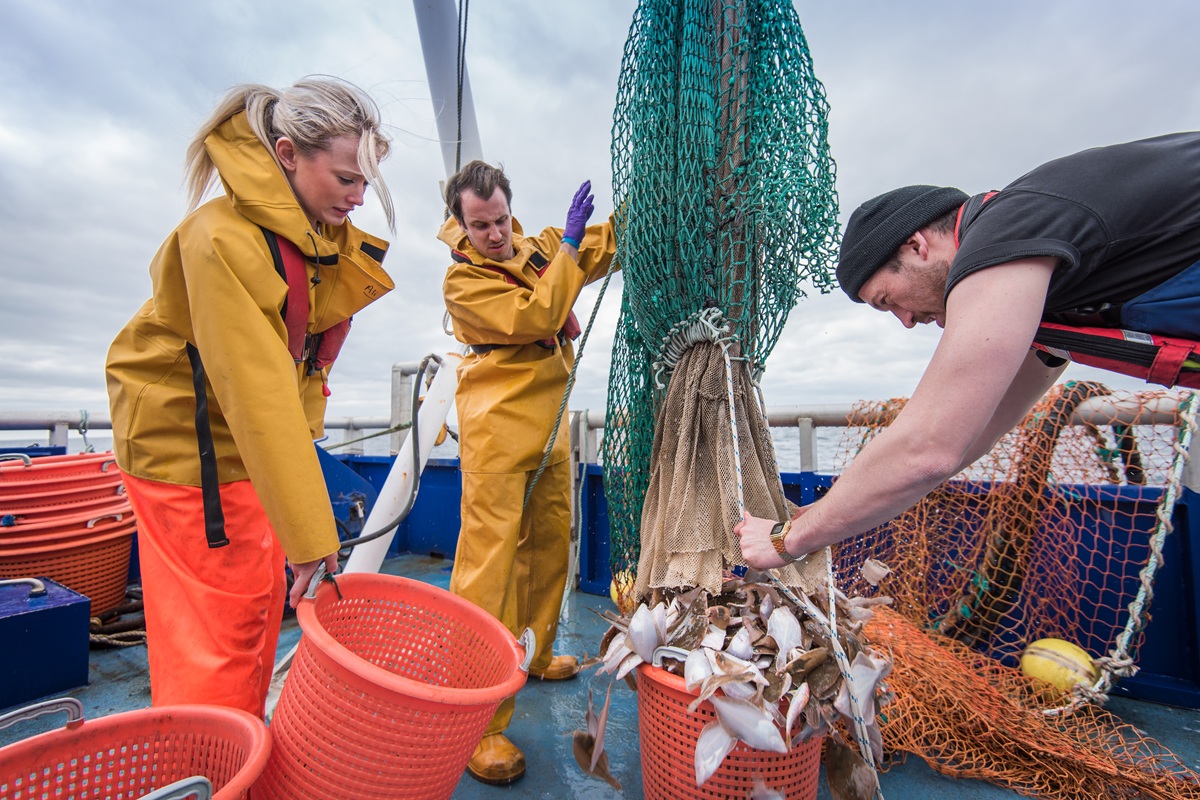
The success of OptiFish depends on testing our solutions in real-world environments. Our pilot studies span a range of fishing practices across Europe:
North Sea (Industrial Fisheries): We are implementing eDNA sampling and electronic monitoring to improve species identification.
North Sea (Large-Scale Demersal Fisheries): Conveyor belt sorting systems paired with AI analysis are providing deeper insights into catch composition.
Baltic (Mid-Scale Demersal Fisheries): Our team is developing a table sorting system to optimise catch sorting and reduce bycatch.
Mediterranean (Demersal Fisheries): We are focusing on privacy-compliant monitoring solutions to enhance data collection while respecting privacy regulations.
Bay of Biscay (Artisanal Fisheries): Onboard sorting systems and direct data collection are being trialed to improve reporting accuracy.
These pilot studies are pivotal for testing the feasibility and scalability of the technologies we are developing, and we have already begun to see promising results.
Looking ahead: The next steps for OptiFish
As we enter the second year of the OptiFish project, we are focused on keeping our team on track with regular meetings and making sure we meet all our goals for this year. Some of our key tasks for the coming months include finalising the technical requirements for our system, updating our communication plan, and refining our business and market strategies.
We are also looking forward to preparing our first progress report, which will cover the first 18 months of the project. Additionally, we are excited to host our second consortium meeting on March 18-19, 2025, in Thessaloniki. Keeping up the momentum is important as we continue to improve our technologies and work towards getting them adopted by the industry.
Paving the way for a sustainable fisheries future
The first year of OptiFish has been a year of groundbreaking work and collaboration. Our technologies are evolving, our stakeholder relationships are growing stronger, and our commitment to sustainability in fisheries has never been clearer. We are eager for the next steps in our journey and look forward to working alongside our partners to shape the future of sustainable fisheries management across Europe.